
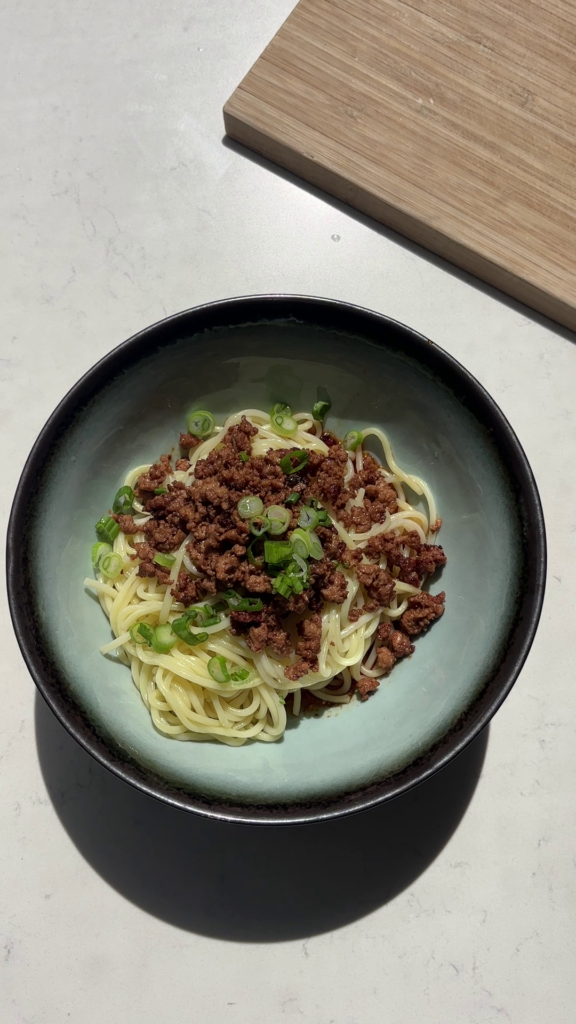
Dan Dan Noodles might be the most misunderstood dish on any Chinese restaurant menu. In the West, they often arrive as a mild peanut noodle with a little chili oil drizzled on top — pleasant enough, but a shadow of what the dish actually is. Authentic Dan Dan Noodles, the kind sold by street vendors in Chengdu with a carrying pole balanced across their shoulders (that's where the name comes from — "dan dan" refers to the shoulder pole), are something else entirely. They're complex, bold, and layered in a way that makes you pause between bites and try to identify what exactly you're tasting.
The answer is three things happening simultaneously: "Ma" (麻), the tingling, electric numbness of Sichuan peppercorn. "La" (辣), the deep, building heat of chili oil and chili sauce. And "Tian" (甜), a subtle sweetness that rounds everything out and keeps the dish from being punishing. Together, they create a flavor profile that has no real equivalent in any other cuisine — distinctive, addictive, and once you taste it properly, impossible to forget.
This recipe gets all three right. The sauce is built from tahini, peppercorn oil, chili sauce, soy sauce, and garlic water — whisked together into a smooth, creamy base that clings to every strand of noodle. The topping is crispy minced pork seasoned with soy, dark soy, white pepper, and sugar, cooked until browned and slightly caramelized. It comes together faster than takeout, and it tastes better than most restaurant versions you'll find outside of Sichuan province.
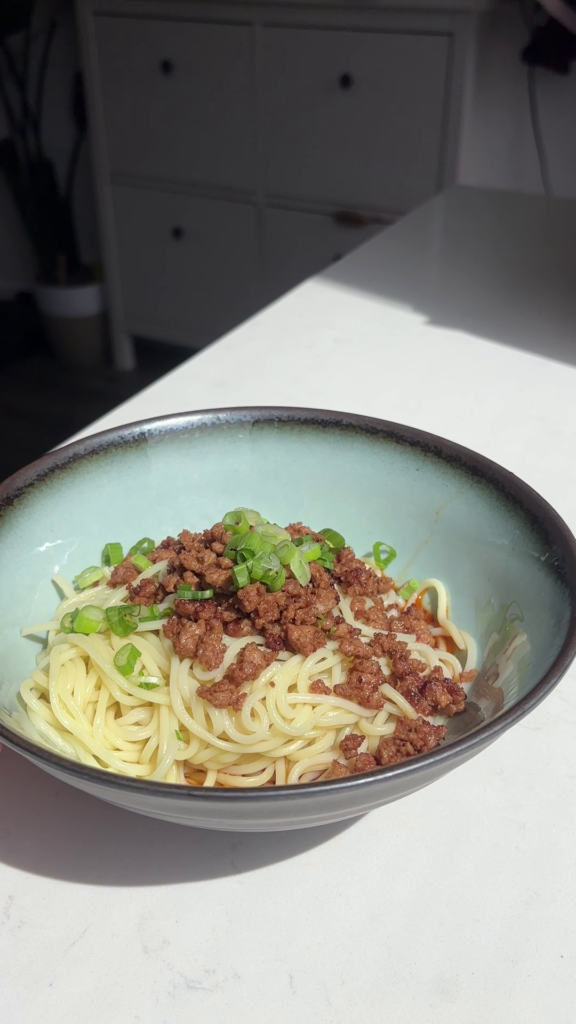
Most Westernized Dan Dan Noodle recipes lean heavily on the "La" — the heat — and neglect the other two components that make the dish genuinely interesting. The "Ma" from peppercorn oil is not optional. It's the element that creates the characteristic Sichuan numbing sensation — a low-level electric tingle on the tongue and lips that amplifies every other flavor it comes into contact with. Without it, the dish loses its identity. The "Tian" — the sweetness from a small amount of sugar — acts as the mediator, softening the edges of the heat and the numbness into something harmonious rather than aggressive. All three components are present in this recipe, in proportions that create a sauce that is complex, balanced, and deeply satisfying.
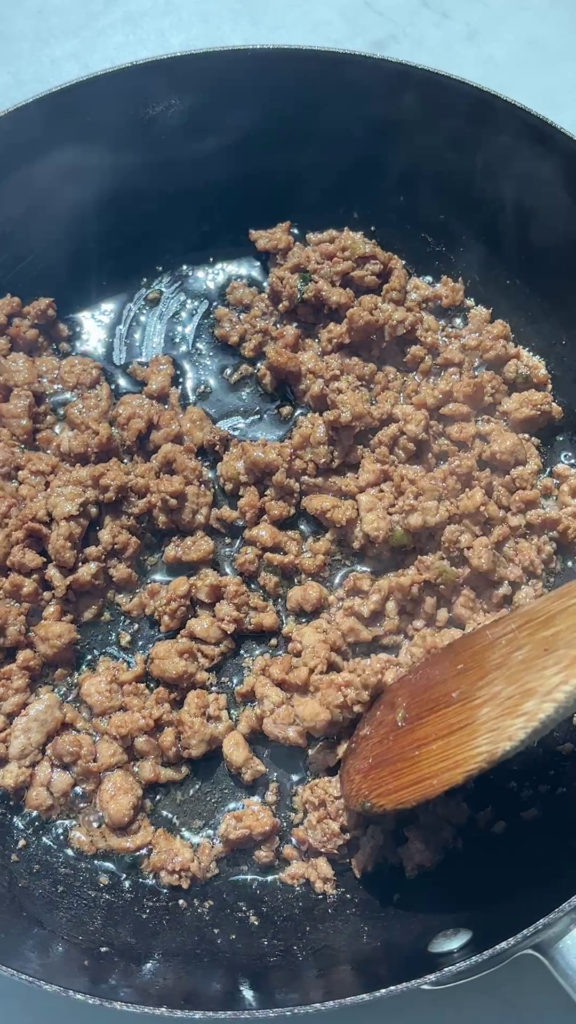
A lot of Dan Dan Noodle recipes treat the meat topping as an afterthought — a few crumbles of ground pork tossed into the bowl for protein. This recipe gives it the attention it deserves. The minced pork is seasoned with soy sauce, dark soy sauce, white pepper, and sugar, then fried until properly browned and slightly crispy at the edges. The Maillard reaction on the pork creates a savory depth and a textural contrast — little caramelized bits of meat against the silky, sauce-coated noodles — that makes each bite more interesting than the last. The dark soy gives the pork a deep mahogany color and a slightly sticky, caramelized quality that you simply don't get from regular soy alone.
The sauce requires no cooking — just whisking. The pork cooks in under 10 minutes. The noodles boil in 3 to 4 minutes. From start to finish, this is a 20-minute meal that tastes like something significantly more labor-intensive. The technique is front-loaded into the sauce: get the proportions and the order right, and everything else follows quickly.
Tahini / Sesame Paste Tahini provides the rich, nutty body of the sauce — it's what makes Dan Dan Noodles feel substantial and satisfying rather than just spicy. Chinese sesame paste (zhima jiang) is the traditional choice and has a slightly deeper, more roasted flavor than Middle Eastern tahini. Either works well. The fat in the sesame paste also acts as the carrier for the other flavors, distributing the chili heat and peppercorn numbness evenly through the sauce.
Peppercorn Oil This is the "Ma" — the numbing component — and it's non-negotiable for an authentic result. Sichuan peppercorn oil is available at any Asian grocery store. If you can't find it, you can make a rough version by heating neutral oil with whole Sichuan peppercorns until fragrant, then straining. Don't substitute regular black pepper oil; the flavor compounds in Sichuan peppercorn are completely different and produce the distinctive numbing sensation that black pepper doesn't.
Chili Sauce (3 tbsp) Three tablespoons is the quantity that produces a genuinely spicy sauce — present and building, not polite. If you're cooking for people with lower heat tolerance, start with two tablespoons and taste before adding more. Doubanjiang (spicy fermented bean paste) is an excellent choice here for its depth and complexity, but any good Chinese chili sauce works.
Garlic Water Minced garlic soaked in a small amount of water for a few minutes, then used as-is — solids and liquid together. This technique distributes garlic flavor evenly throughout the sauce without leaving chunks of raw garlic that can be overpowering in isolated bites. It's a small detail that makes a noticeable difference in the finished dish.
Dark Soy Sauce (for the pork) Used specifically in the meat topping, dark soy sauce provides the deep, caramelized color and a rich saltiness that regular soy sauce doesn't achieve. It's thicker, less salty by volume, and much more concentrated — a tablespoon does a significant amount of visual and flavor work.
Quick Tip: Make the garlic water before you start anything else. Combine minced garlic with a tablespoon or two of water and let it sit while you prep everything else — the longer it soaks, the more evenly the garlic flavor distributes through the sauce.
Step 1: Build the Sauce In a large serving bowl — large enough to toss the noodles in — combine the tahini, garlic water, soy sauce, chili sauce, peppercorn oil, and sugar. Whisk vigorously until the tahini is fully incorporated and the sauce is smooth, creamy, and uniform. It should look like a thick, rust-colored paste at this point. Taste it before the noodles go in — this is your opportunity to adjust the balance. More peppercorn oil if you want more numbing. More chili sauce for heat. A pinch more sugar if it needs softening. Get it right now and the finished dish will be perfect.
Step 2: Fry the Pork Heat a pan or wok over medium-high heat with a small amount of oil. Add the minced pork and break it apart into small pieces. Let it cook undisturbed for a minute before stirring — you want browning, not steaming, so resist the urge to stir constantly. Once the pork is cooked through and starting to brown, add the soy sauce, dark soy sauce, sugar, and white pepper. Toss to coat and continue cooking until the liquid is absorbed and the pork is slightly caramelized and crispy at the edges. Set aside.
Step 3: Boil the Noodles Cook your noodles in a large pot of unsalted boiling water according to package instructions — fresh noodles typically take 2 to 3 minutes, dried noodles 4 to 5. Dan Dan Noodles are traditionally made with thin wheat noodles; fresh ramen noodles or dried Chinese wheat noodles both work well. Reserve a small cup of noodle cooking water before draining — the starchy water can be used to loosen the sauce if it's too thick when the hot noodles hit it.
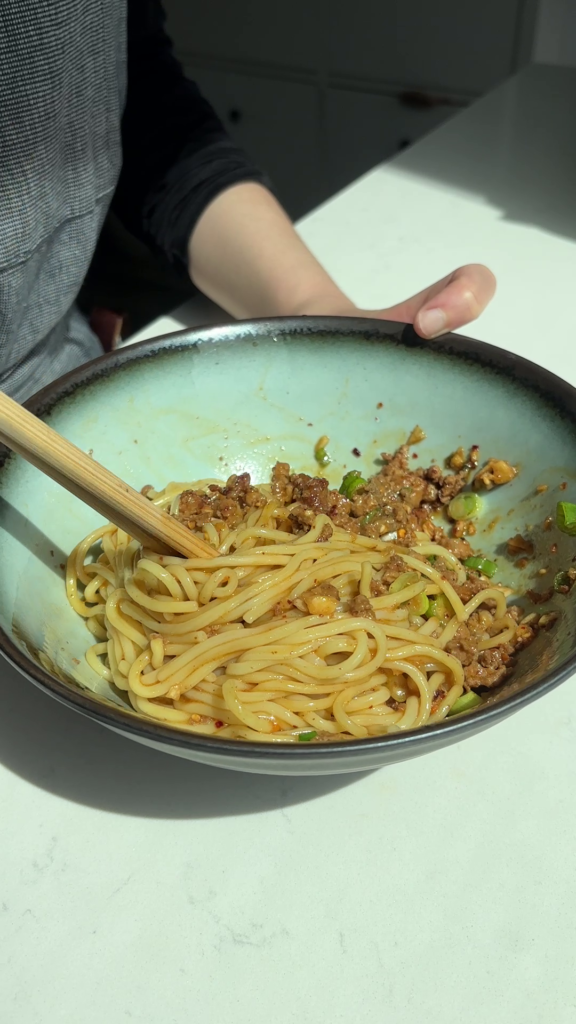
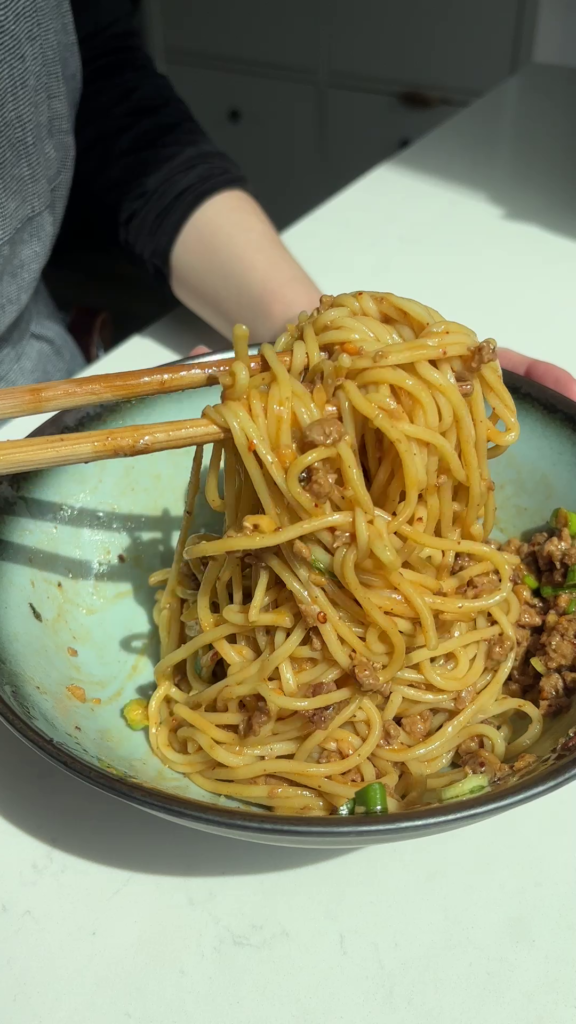
Step 4: Toss and Top Drain the noodles and add them directly to the bowl of prepared sauce while they're still hot. Toss immediately and thoroughly — the heat from the noodles loosens the sauce and helps it coat every strand. If the sauce is too thick, add a splash of the reserved noodle water and toss again. Pile the crispy pork on top, add any garnishes you like — sliced scallions, crushed peanuts, a drizzle of extra chili oil — and serve immediately. Dan Dan Noodles don't wait well; eat them the moment they're assembled.
The iconic Sichuan street food dish — silky noodles tossed in a nutty, spicy, numbing sesame sauce and topped with crispy seasoned minced pork.