
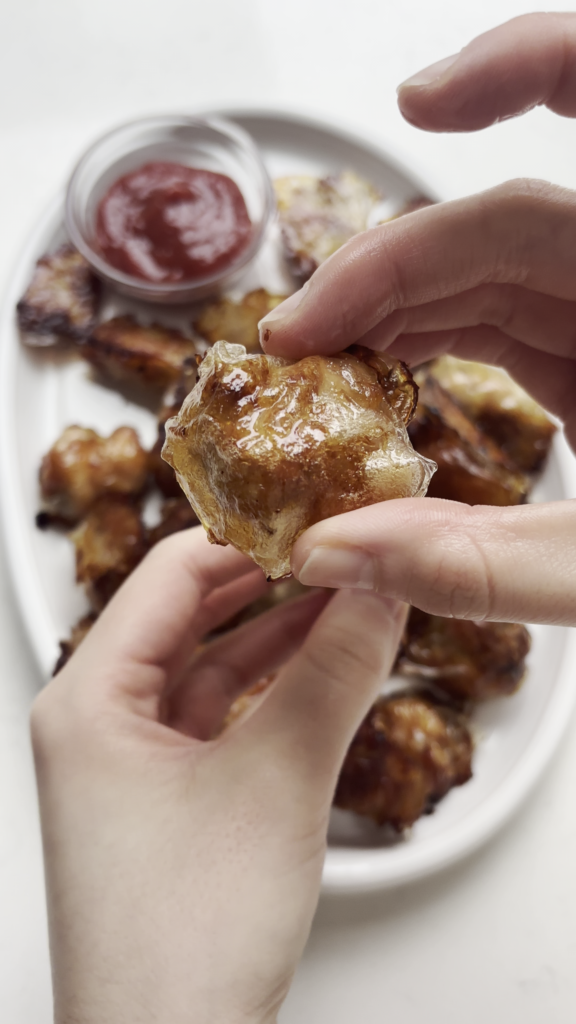
Crispy chicken is one of those things people are always trying to optimize. Thicker batter, lighter batter, double-fry, cornstarch instead of flour — the pursuit of maximum crunch is a never-ending project in home kitchens everywhere. Rice paper is the solution nobody talks about, and once you try it, you'll wonder why it isn't everywhere. A thin sheet of rice paper wrapped tightly around a piece of marinated chicken and run through a hot air fryer at 425°F doesn't just get crispy — it shatters. The surface bubbles and blisters into a thin, airy, glass-like shell that produces an audible crunch on the first bite and stays crispy all the way to the last.
No flour. No breadcrumbs. No egg wash. No deep-frying. Just rice paper, marinated chicken, a brush of oil, and an air fryer. The result is lighter and crunchier than traditional fried chicken, naturally gluten-free, and genuinely impressive enough to serve as a party snack or a main dish alongside dipping sauces.
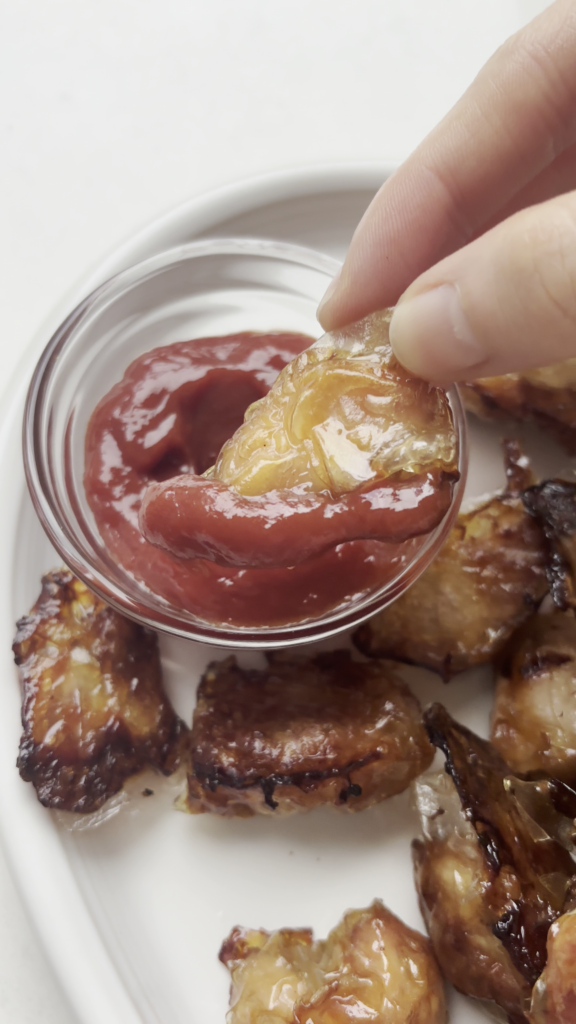
The texture that rice paper produces in a high-heat air fryer is unlike any other coating material. When the moisture in the rice paper evaporates under 425°F heat, the starch structure expands into thin, airy bubbles that shatter cleanly on contact — a texture somewhere between a prawn cracker and the crispiest chicken skin you've ever eaten. It's lighter than flour breading, less dense than panko, and significantly more interesting than either. Each bite has an audible crack that signals something genuinely different from standard fried chicken.
This texture is the reason this recipe has spread so quickly through food social media. It looks spectacular — the bubbled, golden surface photographs beautifully — and it lives up to every expectation when you actually eat it.
The practical advantage of wrapping the chicken in rice paper before air-frying goes beyond texture. The wrapper acts as a seal, trapping the moisture from the marinated chicken inside as the heat builds. While the exterior of the rice paper dries to a crisp shell, the interior stays wet and hot, essentially steam-cooking the chicken in its own juices. The result is chicken that's exceptionally juicy inside — marinated all the way through with the garlic, soy sauce, and white pepper — with a crust that provides the exact textural contrast you want.
The oil in this recipe is minimal — just a brush on the rice paper surface before it goes in the air fryer. No pot of oil to heat and manage, no deep-frying mess, no grease splatter. For a dish that produces a convincing "deep-fried" result, the oil requirement is almost negligible. That makes it a practical choice for anyone who loves crispy chicken but wants to avoid the full deep-fry process, and it also makes cleanup significantly easier.
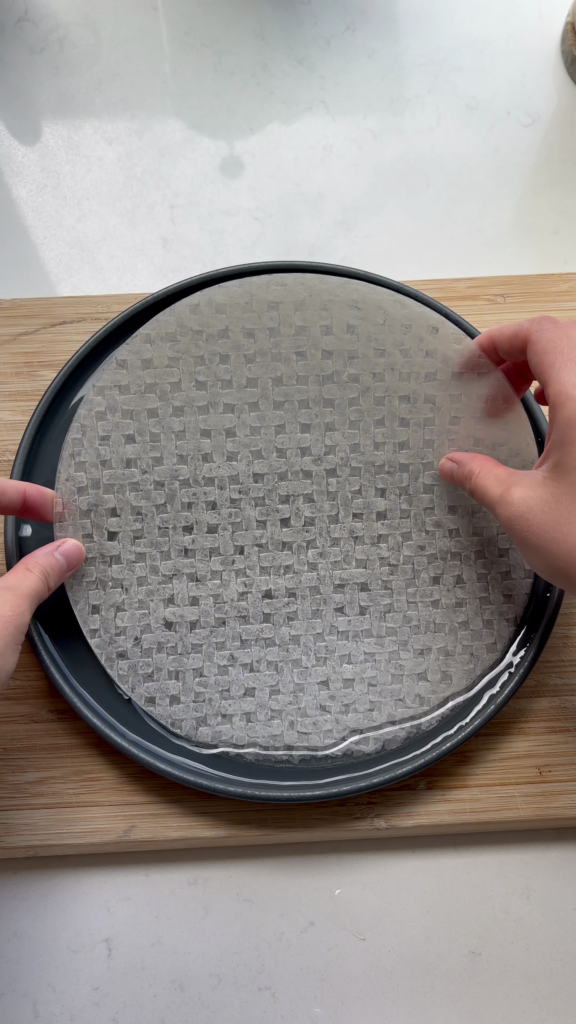
Rice Paper Standard Vietnamese rice paper rounds — the same ones used for fresh spring rolls — are the wrapper here. They're available at virtually any Asian grocery store and increasingly at mainstream supermarkets. Look for medium or large rounds for the easiest wrapping. The key variable is the soaking time: too short and the paper is brittle and tears when you fold it; too long and it becomes gummy and difficult to work with. Twenty seconds in room-temperature water is the target — flexible enough to wrap cleanly, but still structured enough to hold its shape and form a crisp shell in the air fryer.
Chicken (1 lb, bite-sized pieces) Either breast or thigh works, though thigh produces noticeably juicier results for the same reasons it's the superior choice for any fried chicken application. Cut into pieces roughly the size of a large walnut — big enough to provide a satisfying bite, small enough to cook through completely in the air fryer without burning the rice paper exterior. Uniform sizing matters here; pieces that are very different in size will cook unevenly.
White Pepper Powder White pepper is the seasoning that gives this recipe its distinctly Asian character. It has a floral, slightly fermented heat that's completely different from black pepper — more aromatic, less sharp, and it distributes through the marinade in a way that infuses the chicken rather than just coating the surface. One tablespoon is a substantial amount; it produces a noticeably spiced result. Reduce to half a tablespoon if you prefer a milder heat level.
Soy Sauce & Garlic The marinade base: three tablespoons of soy sauce and one tablespoon of minced garlic. Together they provide the savory, umami-rich foundation that makes the chicken taste genuinely seasoned rather than bland under the rice paper shell. Let the chicken marinate for at least 15 to 20 minutes — long enough for the soy sauce to begin penetrating the meat. Overnight marination produces the most flavorful result if you have the time.
Quick Tip: A 20-second water dip is the exact right soaking time for the rice paper. Set a timer if needed — it sounds overly precise, but the difference between 15 seconds (too stiff) and 35 seconds (too soft and gummy) is real. Err on the shorter side; the paper continues to soften slightly from the moisture of the chicken filling after wrapping.
Step 1: Marinate the Chicken Combine the chicken pieces with minced garlic, white pepper powder, and soy sauce in a bowl. Add a small drizzle of cooking oil and mix well until every piece is evenly coated. Let the chicken marinate for a minimum of 15 minutes at room temperature, or cover and refrigerate for up to overnight. The longer the marinade, the more deeply flavored the finished bites will be.
Step 2: Soak and Prepare the Rice Paper Set up a shallow bowl or plate of room-temperature water large enough to lay a rice paper sheet flat. Dip one sheet at a time for exactly 20 seconds — no longer — and lay it flat on a clean, lightly damp surface. The paper should be pliable and slightly tacky but not floppy. Brush the top surface lightly with cooking oil, which helps the exterior achieve maximum crispiness in the air fryer. If the sheets are large, cut them into pieces sized to wrap each chicken piece with a single layer and some overlap.
Step 3: Wrap the Chicken Place a piece of marinated chicken in the center of a rice paper piece. Fold the wrapper tightly around the chicken — first the sides, then roll forward to seal, pressing lightly to adhere. The tackiness of the damp rice paper helps it seal to itself. Place seam-side down and repeat with the remaining chicken pieces. Work quickly; the rice paper becomes more fragile as it continues to absorb moisture.
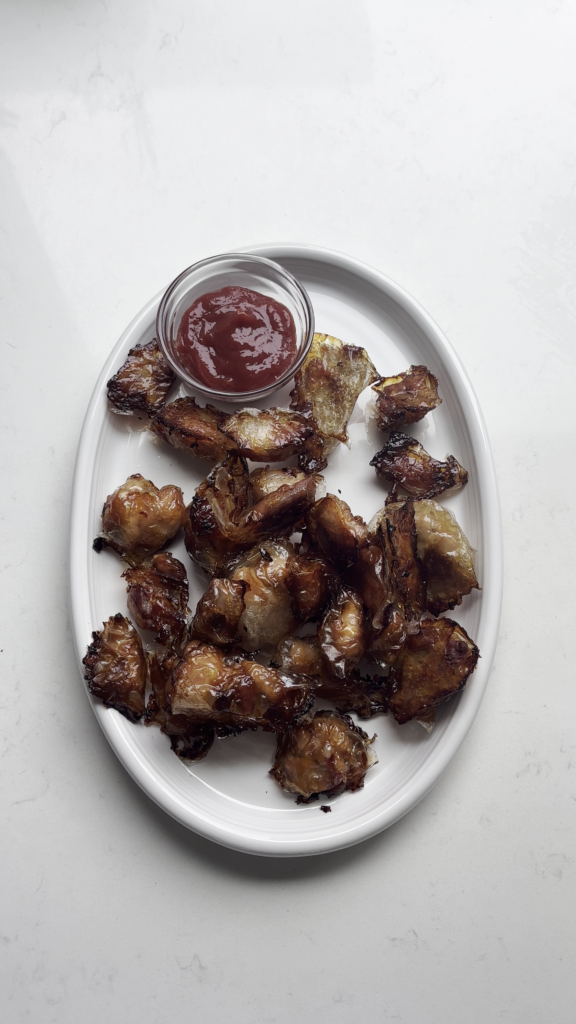
Step 4: Air Fry to Crisp Arrange the wrapped chicken bites in a single layer in the air fryer basket, making sure they don't touch each other — contact prevents the surfaces from crisping evenly. Air fry at 425°F for 15 to 20 minutes, then flip each piece carefully and continue for another 20 minutes. The total cooking time of 35 to 40 minutes might seem long for chicken bites, but the extended time is what allows the rice paper to dry out completely and develop that shatteringly crisp, bubbly exterior. The chicken is done when the surface is deeply golden, visibly bubbled, and feels completely dry to the touch. Serve immediately with ketchup or your choice of dipping sauce.
Marinated garlic chicken wrapped in rice paper and air-fried to a bubbly, shatter-crisp shell — gluten-free, oil-light, and unlike any fried chicken you've made before.