
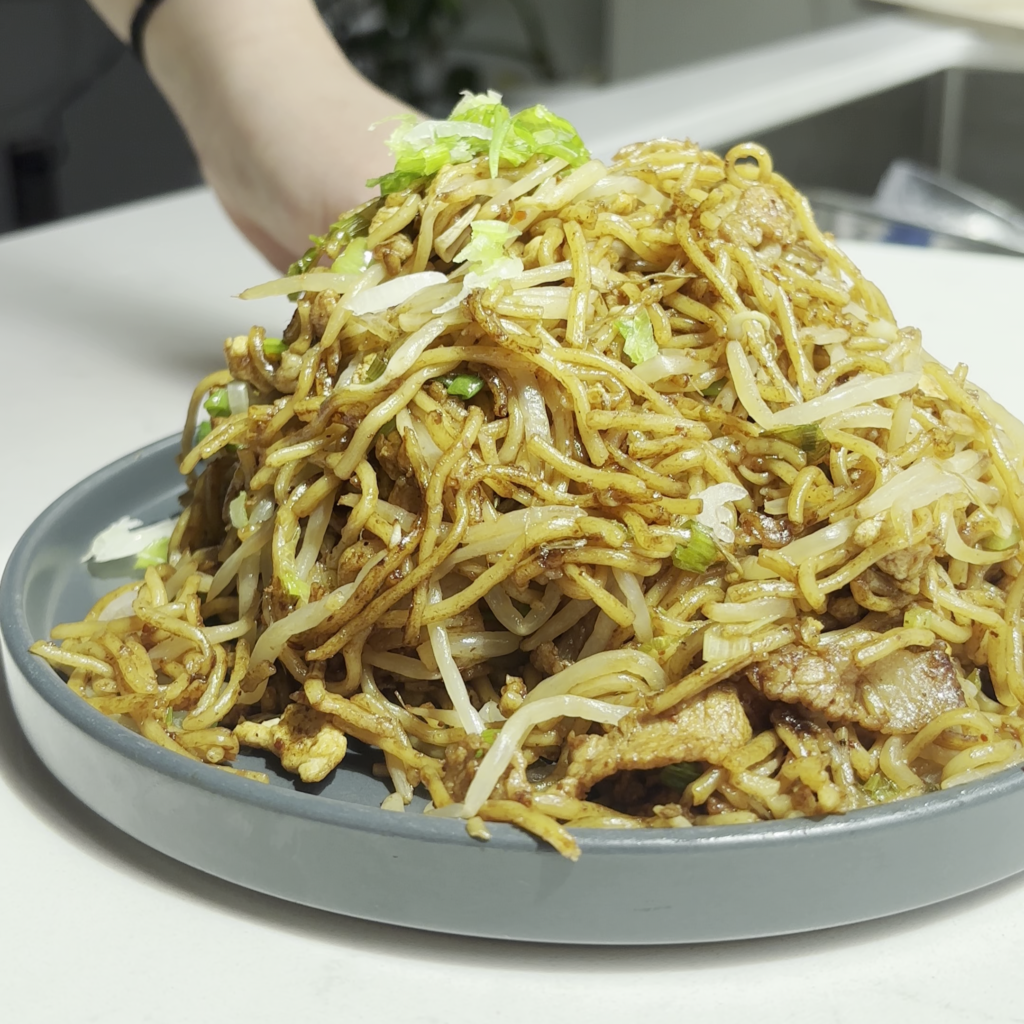
This is one of those meals I turn to when I want something quick but still satisfying. The noodles soak up all the sauce, and that smoky stir-fry flavor always reminds me of street food. It’s simple, comforting, and comes together in minutes. You’ll love making this pan fried noodle with pork at home.
The Egg Technique Makes It Creamy Scrambling the eggs separately and adding them back at the end is the move that gives this dish its name. When eggs cook directly in a wok with noodles at high heat, they break apart into dry, rubbery pieces that disappear into the dish. When you cook them gently first — just until barely set — and fold them in at the finish, they stay in soft, silky ribbons that weave through the noodles and add a creamy richness to every forkful. It takes two extra minutes and completely changes the texture of the finished dish.
A Sauce Built for Depth The sauce here is a three-layer combination: soy sauce for saltiness and umami, oyster sauce for thick, savory sweetness, and dark soy sauce for color and a slightly caramelized depth that regular soy doesn't provide. Together they produce a glaze that coats every strand of noodle in a deep, mahogany-colored sauce that tastes like it took much longer to develop than it actually did. The chili powder and white pepper round out the seasoning with warmth and a gentle heat that builds as you eat.
Fast Enough for Any Weeknight From start to finish this dish takes under 20 minutes, and most of that time is hands-off cooking. The components cook in sequence in the same pan, which means minimal cleanup. Yakisoba noodles are available fresh or pre-cooked at most Asian grocery stores and need almost no prep — just loosen them with your hands before they hit the wok. This is the kind of recipe that becomes a weeknight staple not because it's impressive, but because it's reliably delicious with almost no effort.
Key Ingredients
Yakisoba Noodles — Wheat-based, slightly chewy noodles sold fresh or pre-cooked at Asian grocery stores. They have more body and bite than thin rice noodles, which makes them ideal for high-heat wok cooking. If you can't find yakisoba, fresh ramen noodles are the best substitute.
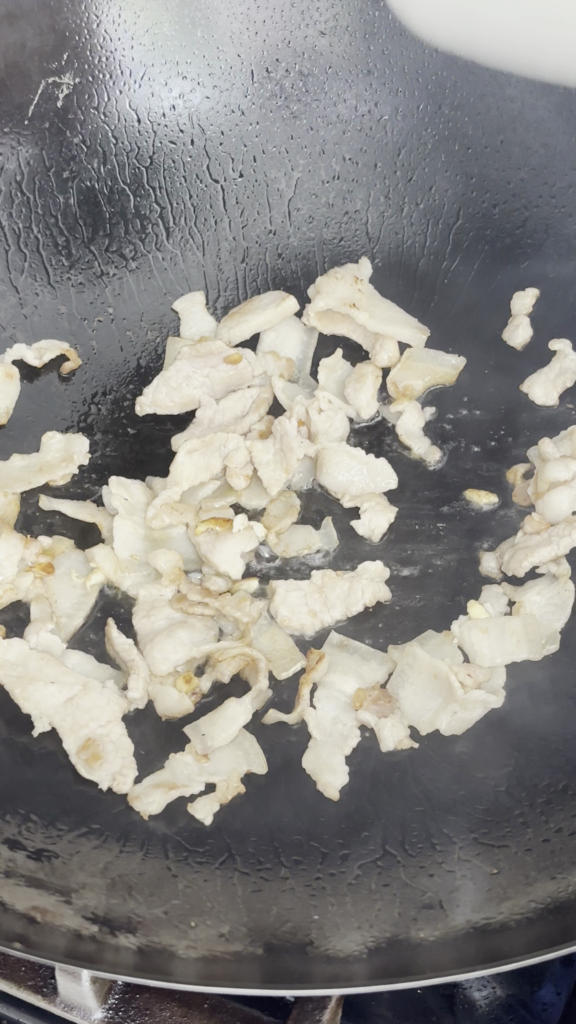
Pork (thinly sliced) — A small amount goes a long way here. Thin slices sear quickly and distribute throughout the noodles evenly. Pork belly, shoulder, or loin all work well. Slice as thin as you can — partially freezing the meat for 20 minutes makes this much easier.
Eggs — The creamy element. Beaten and scrambled gently before the rest of the dish is built, then folded back in at the end. Don't overcook them in the first stage — you want them just barely set when they come out of the pan.
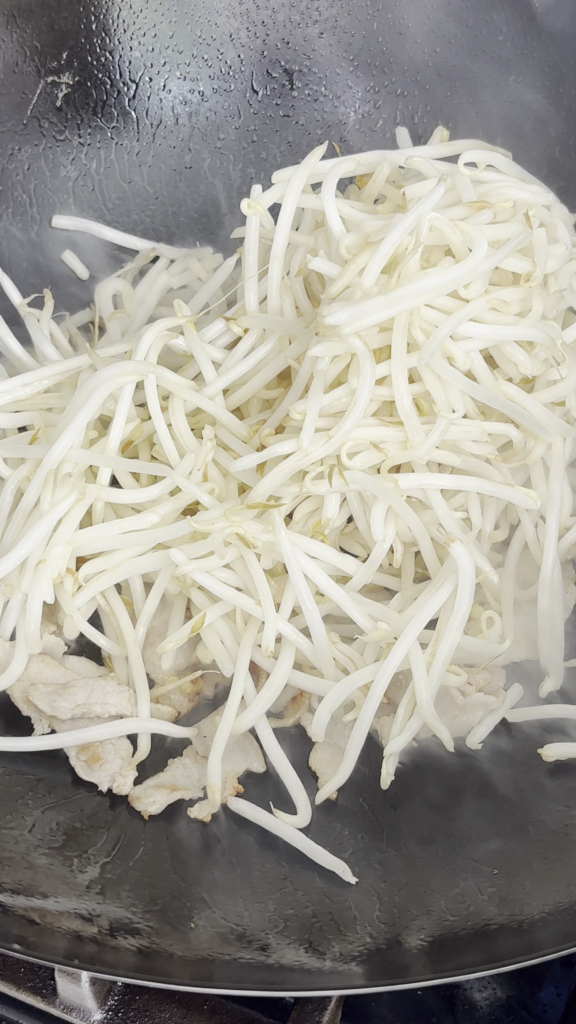
Bean Sprouts — Added last for crunch and freshness. They wilt quickly, so keep the cooking time short — one minute maximum. They should be slightly softened but still have a snap when you bite them.
Dark Soy Sauce (2 teaspoons) — Used specifically for color. A small amount turns the sauce from pale brown to a deep, rich mahogany that makes the dish look as good as it tastes.
Key Steps
#1: Sear pork to render fat and build flavor before adding noodles.
#2: Add bean sprout, and noodles and stir-fry on high heat, tossing quickly to develop slight charring.
#3: Seasoning last to keep them crisp and fresh.
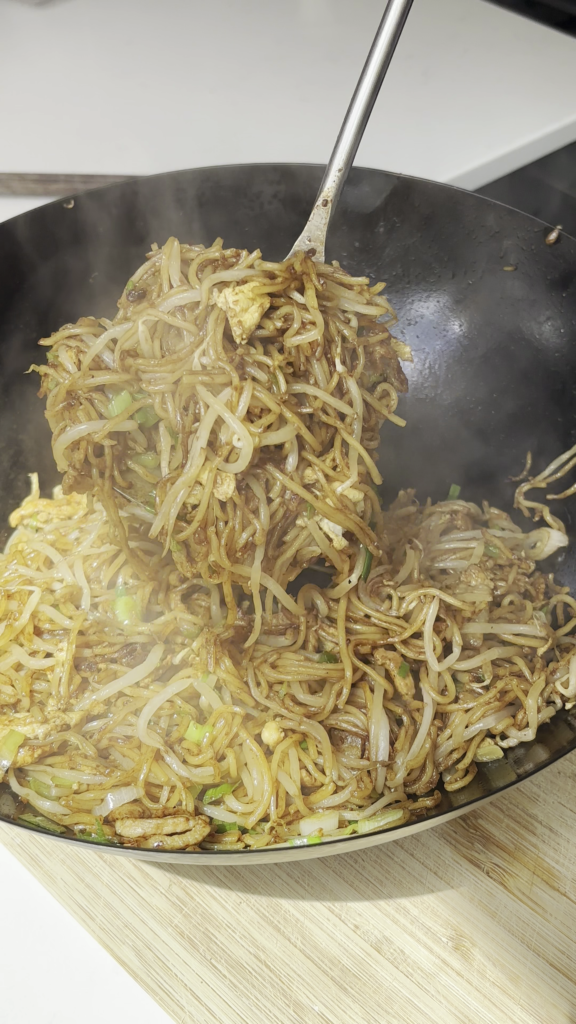
Use the highest heat your stove can manage for the noodle-tossing stage. Yakisoba at high heat develops a slight smokiness — called "wok hei" in Chinese cooking — that you simply cannot achieve at medium heat. If your stove runs cool, cook in smaller batches to keep the temperature high.
If the noodles are clumping when they come out of the package, run them briefly under warm water or microwave them for 30 seconds to loosen them before they hit the pan. Clumped noodles in a hot wok don't separate evenly and result in uneven sauce distribution.
Don't salt the dish until after you've added all the sauces and tasted — soy sauce, oyster sauce, and dark soy sauce are all significantly salty and the combined quantity is usually enough without additional salt.
Serve immediately straight from the wok into deep bowls. Yakisoba loses its texture quickly as it cools and the noodles absorb the sauce, so don't let it sit. Top with extra chopped scallions and a drizzle of sesame oil for additional aroma. A soft-boiled soy egg on the side is a classic accompaniment that adds protein and richness. For a more complete meal, pair with a simple miso soup or a cucumber salad dressed with rice vinegar and sesame.
Store leftovers in an airtight container in the refrigerator for up to two days. Reheat in a hot pan or wok with a small splash of water to loosen the noodles — microwaving works but makes the texture softer and less distinct. The dish does not freeze well; the noodles become mushy after thawing. Best eaten fresh.
For a vegetarian version, skip the pork and add thinly sliced shiitake mushrooms and firm tofu instead — both brown well in a hot pan and provide a similar savory depth. For extra heat, add a tablespoon of doubanjiang or Korean gochujang to the sauce mixture. For a more substantial dish, add shredded cabbage alongside the bean sprouts — it wilts quickly and adds a slightly sweet flavor that pairs well with the soy glaze.
This yakisoba pork noodle recipe features stir-fried noodles with pork, eggs, and bean sprouts tossed in a savory soy sauce and oyster sauce blend. A quick and easy stir fry noodle dish perfect for weeknight dinners and takeout-style meals at home.