
The bread is half the sandwich. Anyone who has eaten a great Roujiamo knows that the flatbread isn’t just a vessel — it’s a fundamental part of what makes the dish work. The slight chew, the golden crust, the way it holds together around the minced beef without falling apart — none of that comes from store-bought bread. This homemade version uses a simple four-ingredient dough that is deliberately low-hydration, producing a flatbread with real structure and a satisfying crisp exterior that pan-fries beautifully in a dry pan with no oil needed. Make a batch of these and you’ll understand why Roujiamo has been a street food staple in Shaanxi province for centuries.
Why You’ll Love This Recipe
A Low-Hydration Dough That Creates Real Texture The 2:1 flour-to-water ratio in this recipe is intentional — at 50% hydration, the dough is noticeably stiffer than most bread doughs, which requires more effort to knead but produces a flatbread with the dense, chewy interior and firm structure that Roujiamo demands. A higher-hydration dough produces softer, more pillowy bread that collapses under the weight of the beef filling. This dough holds its shape, provides resistance when you bite through it, and creates the textural contrast with the tender minced beef that makes the sandwich so satisfying.
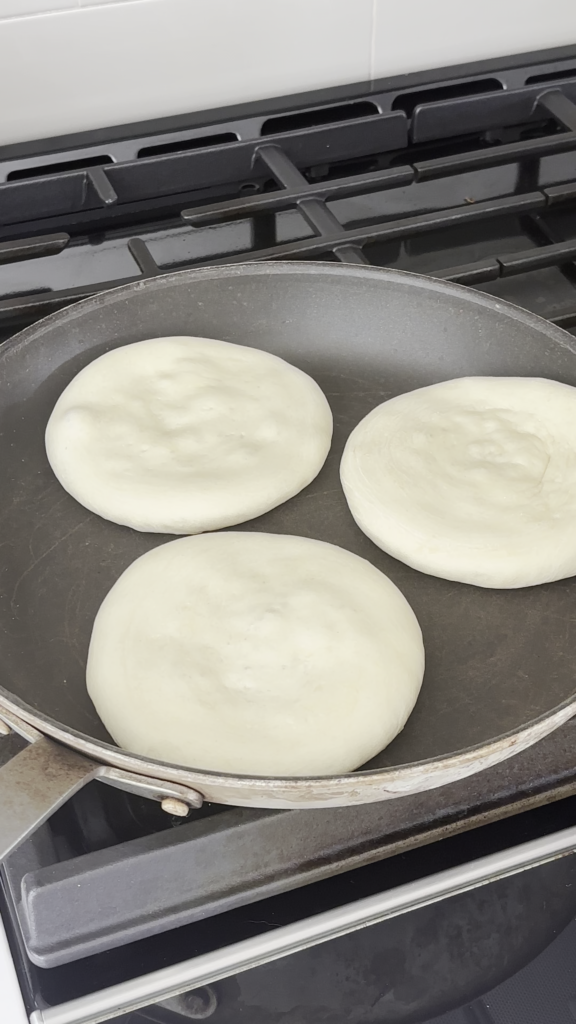
No Oil, No Fuss Pan-Fry These flatbreads are cooked in a completely dry pan — no oil, no butter, nothing. The low moisture content of the dough means the surface dries out quickly against the hot pan, developing a golden, slightly blistered crust that looks and tastes like it took much more technique than it actually did. Two minutes per side in a medium-heat dry pan is all it takes. The result is a flatbread that is crispy on the outside, chewy on the inside, and sturdy enough to hold a generous filling without going soggy.
Perfectly Portioned for Street Food Style Dividing the dough into 60 to 70 gram portions produces flatbreads that are exactly the right size for a single-serving Roujiamo sandwich — large enough for a generous filling, small enough to hold comfortably in one hand the way street food is meant to be eaten. Weighing the portions rather than eyeballing ensures every flatbread is the same size and cooks in the same time, which matters when you’re pan-frying multiple pieces.
Key Ingredients
All-Purpose Flour (400g) — The structure of the flatbread. All-purpose flour has the right protein content to develop enough gluten for a chewy, structured bread without becoming tough. Bread flour can be used for a chewier result; cake flour is too low in protein and will produce a crumbly, fragile flatbread.
Water (200g, room temperature) — The hydration that brings the dough together. Room temperature water is important — cold water slows gluten development and makes the dough significantly harder to knead; hot water can kill the yeast. Measure by weight rather than volume for consistency.
Yeast (2g) — A small amount that adds a subtle fermented flavor and a slight lightness to the crumb without making the flatbread rise significantly. This is not a leavened bread in the traditional sense — the yeast contributes flavor and a gentle openness to the texture rather than volume.
Salt (1 pinch) — Strengthens the gluten network, enhances the natural sweetness of the wheat, and improves the overall flavor of the finished flatbread. A small amount makes a noticeable difference.
Key Steps
Knead until the dough is smooth despite feeling dry. Combine the flour, water, yeast, and salt and bring the dough together — it will feel quite stiff and dry compared to most bread doughs, which is correct. Knead firmly for 8 to 10 minutes until the surface is smooth and the dough no longer tears when stretched. The dryness is the point — resist the urge to add more water.
Rest for 30 minutes before dividing. Cover the kneaded dough with a damp cloth or plastic wrap and let it rest at room temperature for 30 minutes. This resting period relaxes the gluten, making the dough significantly more pliable and easier to shape. Skipping it makes the dough spring back when you try to roll it.
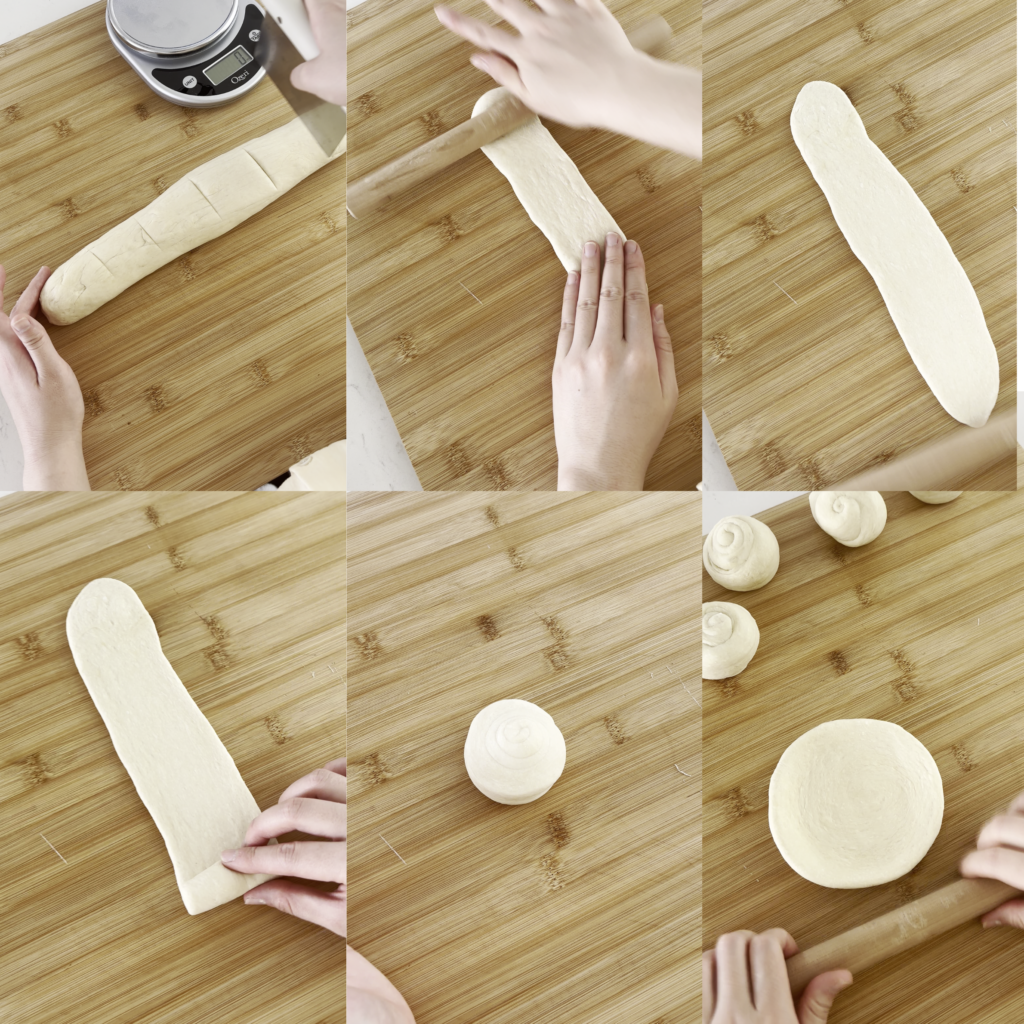
Divide into 60 to 70 gram portions. After resting, divide the dough into 6 to 7 equal pieces — use a kitchen scale for accuracy. Roll each piece into a smooth ball by cupping your hand over it and rolling it against the work surface in tight circles until the surface is taut and even.
Shape, fold, and round. Roll each ball into a flat oval, fold it over itself, then roll and shape it into a round disc. This folding step creates layers in the dough that give the flatbread a slightly flakier interior texture. Cover the shaped rounds with a damp cloth while you work so they don’t dry out.
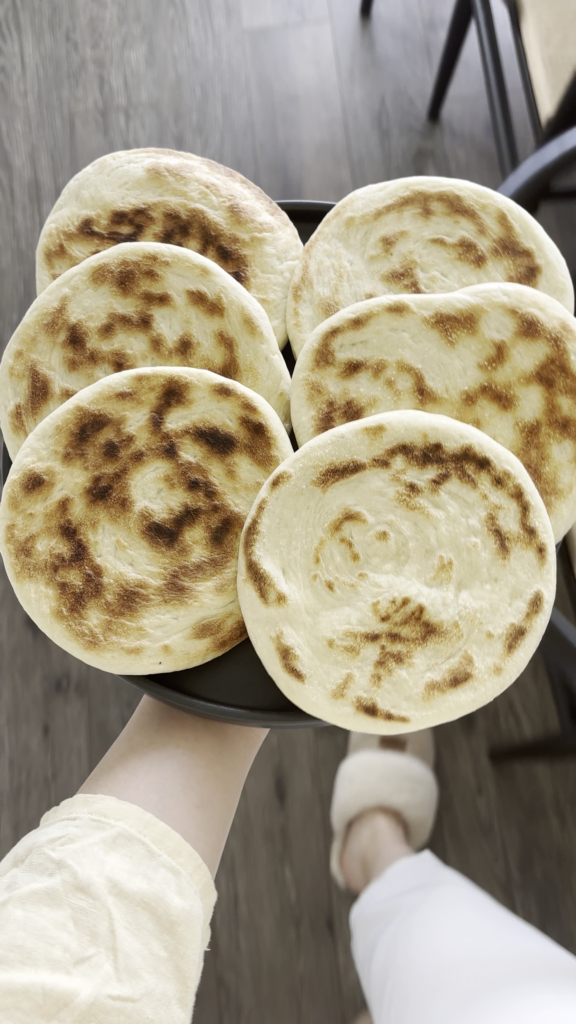
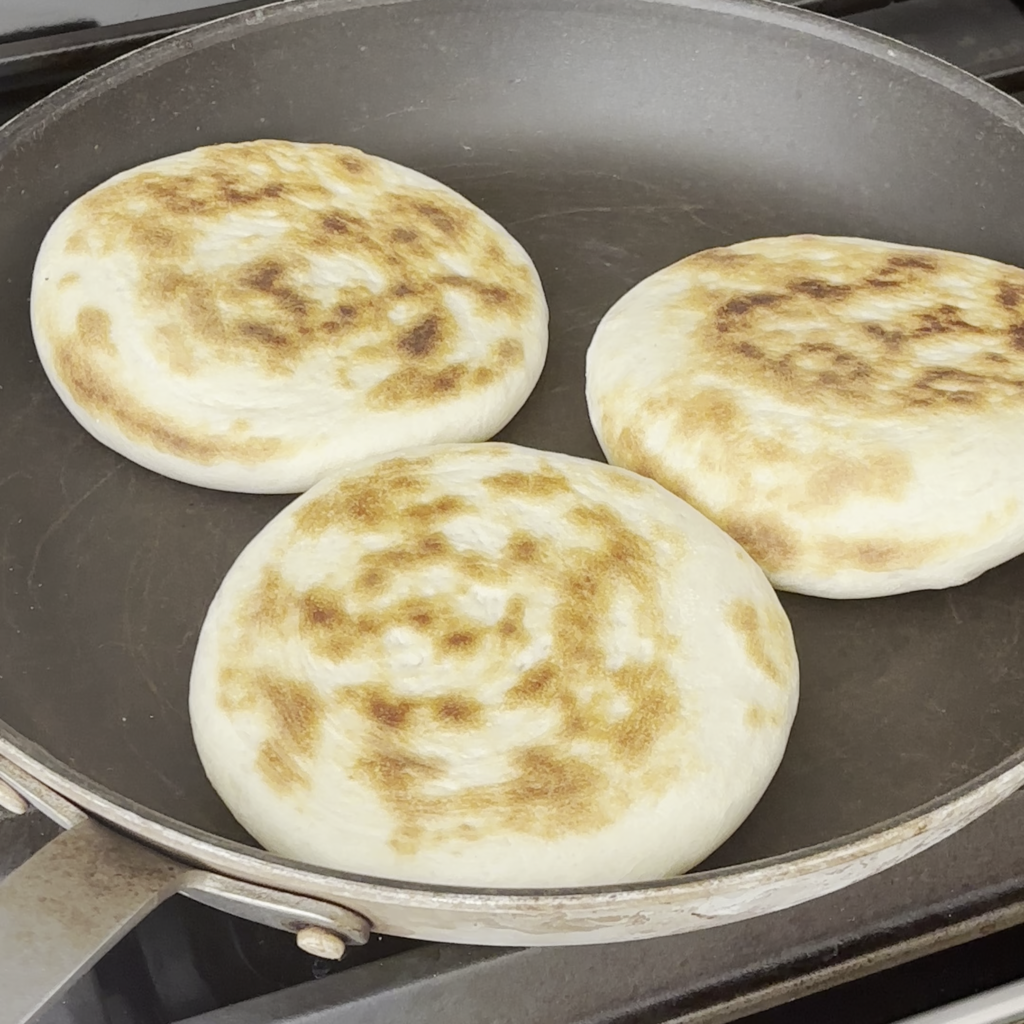
Dry pan-fry on medium heat. Heat a pan over medium heat with no oil. Place the flatbreads in the pan and cook undisturbed for about 2 minutes until the bottom is golden brown with light blistering. Flip and cook for another 2 minutes on the second side. The flatbread is ready when both sides are evenly golden and the bread feels firm when pressed lightly in the center.
Expert Tips
If the dough is tearing when you knead it, it needs more time rather than more water. Gluten development takes time — keep kneading and the dough will come together. Adding water to fix a torn dough changes the hydration and affects the final texture of the flatbread.
Let the shaped rounds rest for an additional 5 minutes before pan-frying if they spring back when you press them flat. This second rest relaxes the gluten enough for the flatbread to hold its shape in the pan.
Cook one test flatbread first to calibrate your pan temperature before cooking the full batch. Every stovetop runs differently — if the first flatbread browns too fast on the outside before cooking through, reduce the heat slightly for the remaining pieces.
How to Serve
Serve the flatbreads immediately after pan-frying while they’re still warm and the crust is at its crispiest. Slice open along one edge to create a pocket and stuff generously with the minced spiced beef from the Roujiamo recipe. The warmth of the freshly cooked bread and the fragrant beef filling together is the full experience. If making ahead, reheat in a dry pan for 1 minute per side to restore the crispy exterior before stuffing.
Storage & Reheating
Store cooked flatbreads in an airtight container at room temperature for up to two days or refrigerate for up to four days. Reheat in a dry pan over medium heat for 1 to 2 minutes per side — this restores the crispy exterior better than a microwave, which makes the bread soft and chewy throughout. Uncooked shaped portions can be wrapped individually in plastic wrap and refrigerated for up to 24 hours — bring to room temperature for 15 minutes before pan-frying.
Variations
For a more aromatic flatbread, brush the dough with a thin layer of sesame paste or toasted sesame oil before the folding step — it creates a swirled, sesame-flavored interior that pairs especially well with the five-spice braised beef. For a slightly chewier result, substitute 50 grams of the all-purpose flour with bread flour. For a thinner, crispier flatbread, roll the portions to a thinner disc before pan-frying and reduce the cooking time to 90 seconds per side.
FAQs
Why is my dough so hard to knead? Low-hydration doughs are naturally stiffer and require more effort than standard bread doughs. This is intentional — keep kneading firmly for the full 8 to 10 minutes and the dough will smooth out. If it’s genuinely not coming together after 5 minutes, add water one teaspoon at a time, but try to avoid this if possible.
Can I make the dough ahead of time? Yes — the dough can be made the night before and refrigerated after the 30-minute rest. Cold fermentation overnight actually improves the flavor of the flatbread. Bring the dough back to room temperature for 20 to 30 minutes before dividing and shaping.
Why cook in a dry pan with no oil? Oil in the pan fries the exterior of the flatbread rather than dry-toasting it, which produces a greasier, softer crust. A dry pan allows the surface moisture to evaporate quickly, creating a drier, crispier golden crust that is the defining characteristic of authentic Roujiamo flatbread.
Homemade Chinese Flatbread for Roujiamo
Simple all-purpose flour flatbread made with a stiff yeast dough, rested, portioned, and dry pan-fried until golden and crispy on both sides — the essential homemade bread for stuffing with spiced braised beef.
Ingredient
Instructions
-
Combine the flour, water, yeast, and salt in a large bowl. Mix until a dough forms — it will feel dry and stiff. This is correct.
-
Knead firmly for 8 to 10 minutes until the surface is smooth. The dough should feel dense but no longer tear when stretched.
-
Cover with a damp cloth and let rest at room temperature for 30 minutes.
-
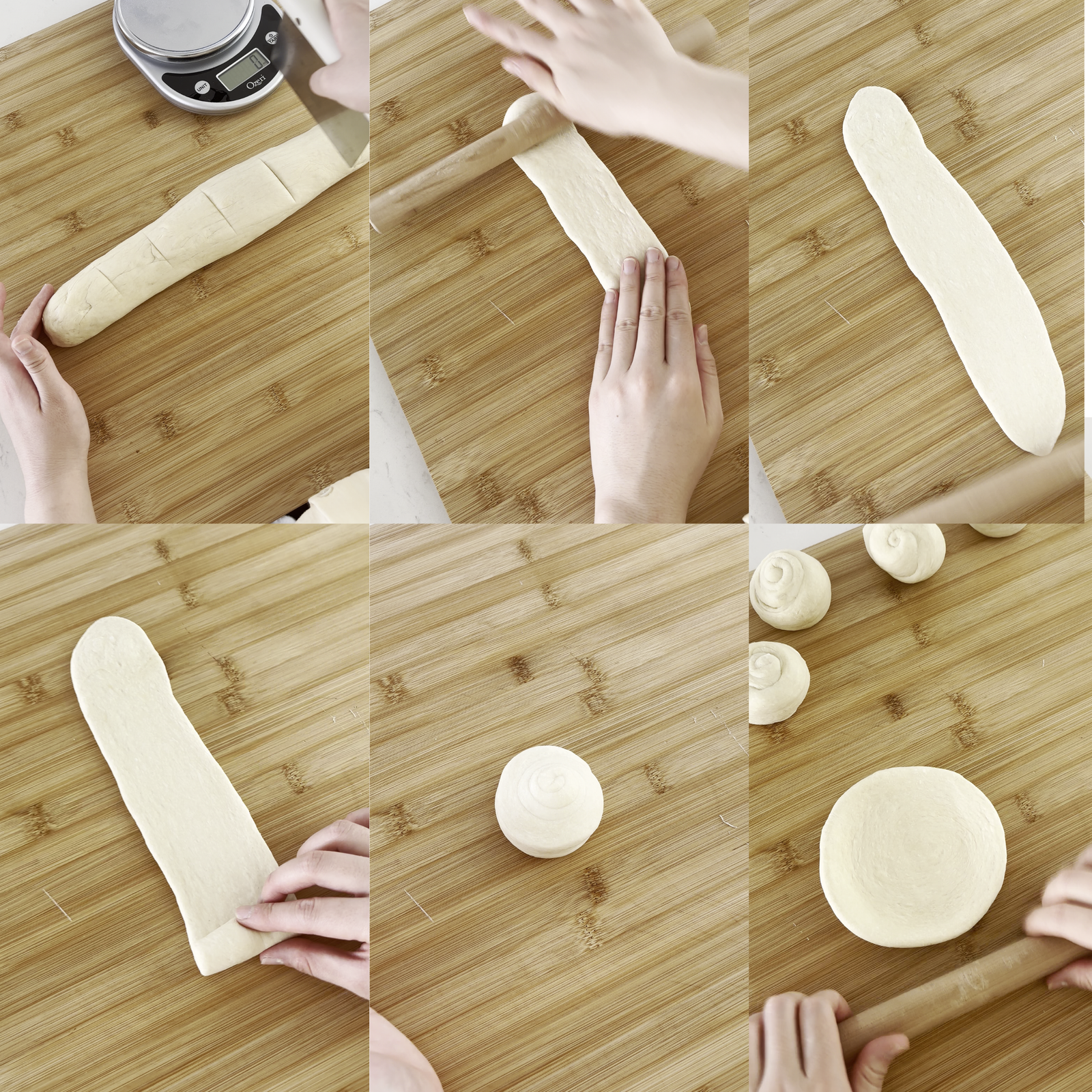
Divide the dough into 6 to 7 equal portions, each weighing 60 to 70 grams. Roll each portion into a smooth ball.
-
Roll each ball into a flat oval, fold it over itself, then shape into a round disc. Cover shaped rounds with a damp cloth while working.
-
Heat a pan over medium heat with no oil. Place the flatbreads in the dry pan and cook for 2 minutes until the bottom is golden brown. Flip and cook for another 2 minutes until both sides are evenly golden.
-
Serve immediately or reheat in a dry pan before stuffing.